
Various colors, aggregates, and finishes add drama and eye appeal to a single structure, or a single look can be chosen to create continuity and a signature appearance. Precast can also be painted or stained for even more options. We combine cement, aggregate, and pigment to create the precast color you desire. Dynamic Color Solutions’ pigments ensure long-lasting integral colors that won’t fade over time. View our Project Gallery to see the various precast concrete colors in use.

White
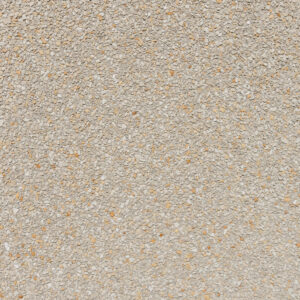
Cream

Buff
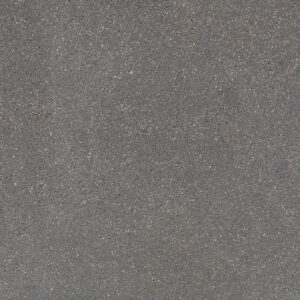
Grey
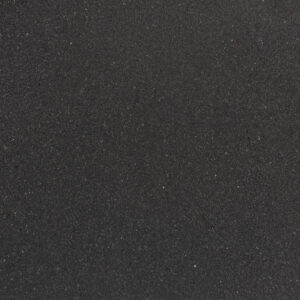
Black
Incorporating diverse aggregates such as granite, quartz, or limestone enhances the depth and dimension of your building. These aggregates provide a range of colors, textures, and finishing processes, enabling versatile options in color and texture variations depending on different exposure depths.
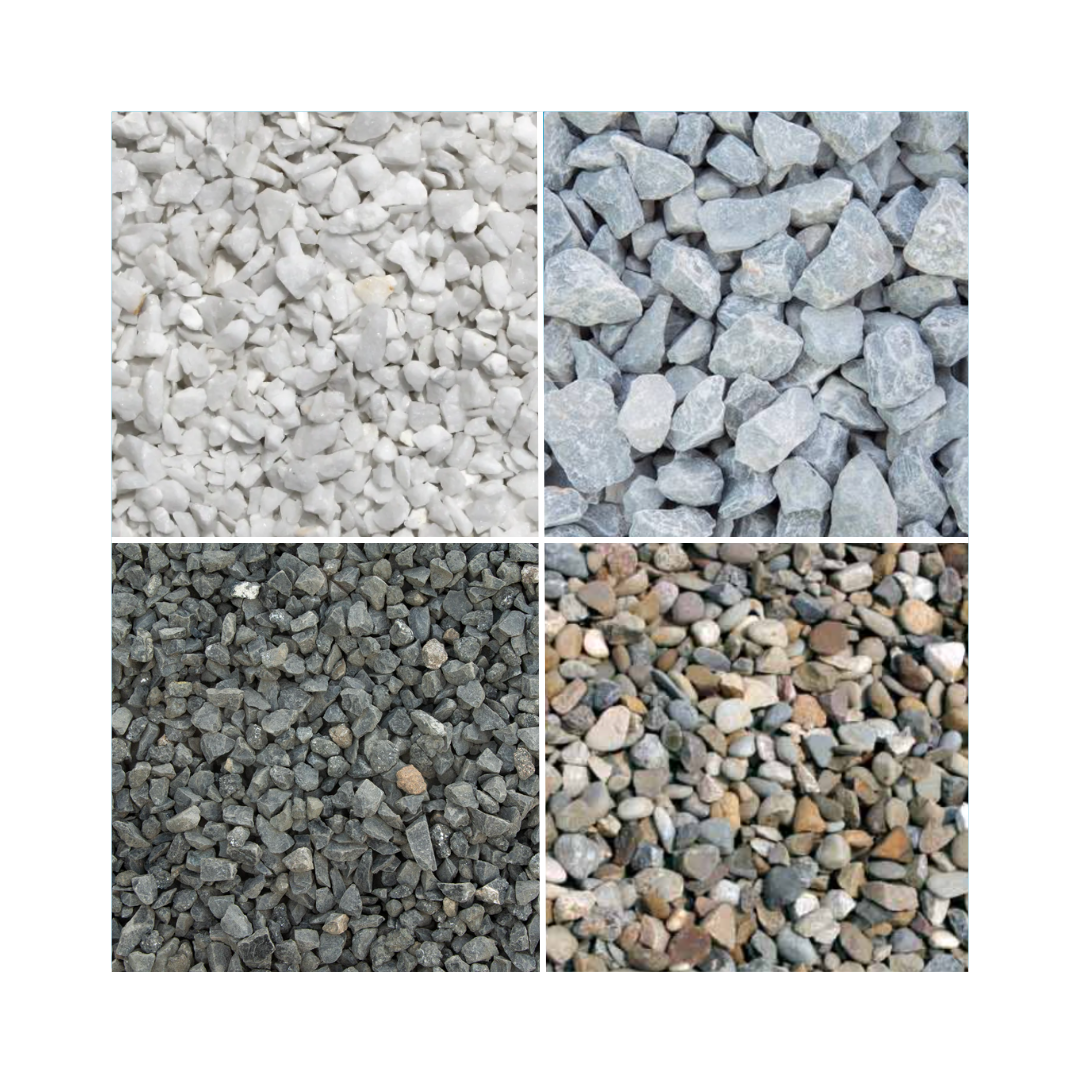
Rock Aggregate
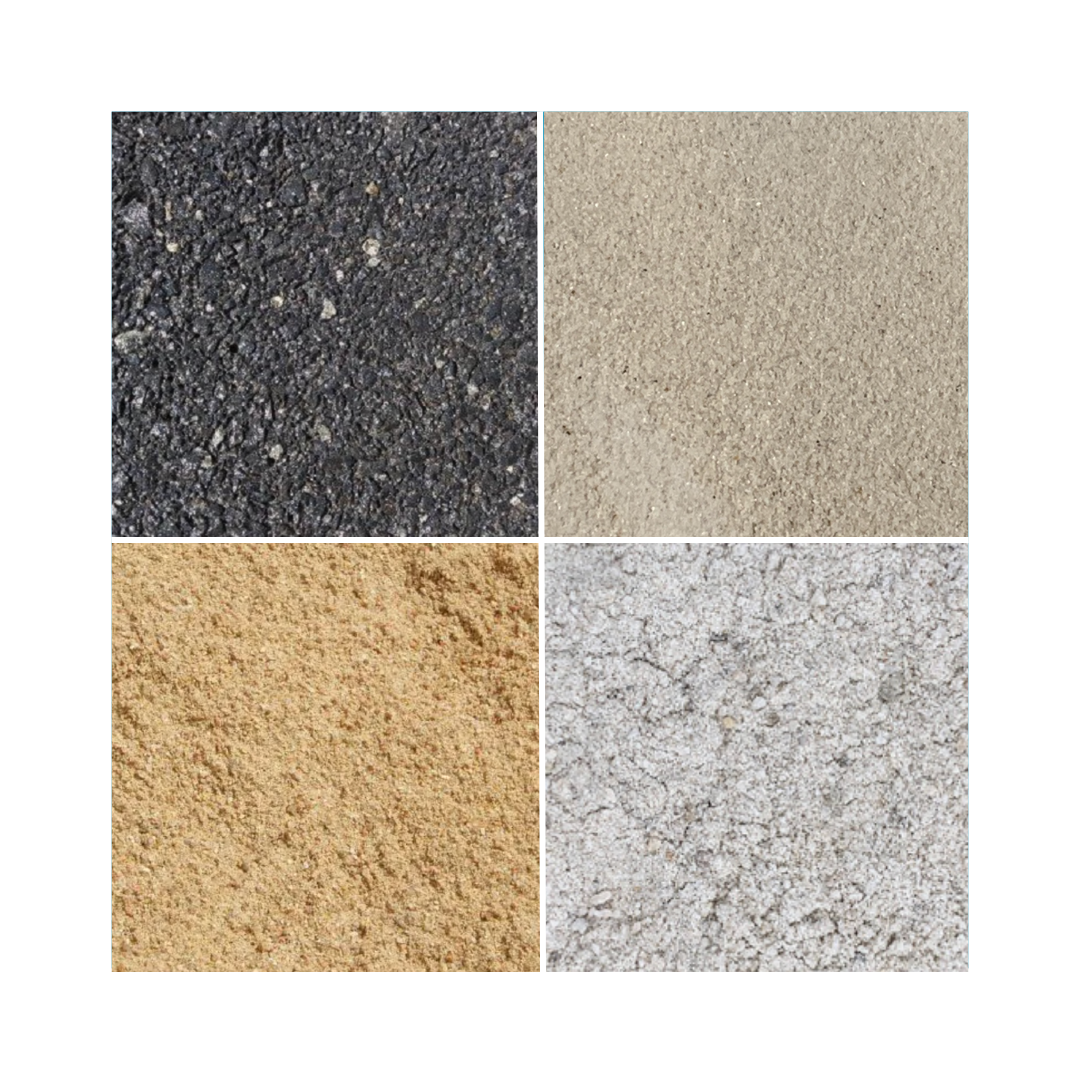
Sand Aggregate
Many traditional construction materials such as tiles, brick, or terra cotta can be embedded in precast. Additionally, marble, granite, and limestone can be veneered or embedded into precast using pins. You can download our Color and Finish Guide Definitions for complete information about all our finish options.

Acid Etch
This process entails the application of acid along with high-pressure water to etch the surface of the concrete. The acid works to react with the material, removing impurities, while the high-pressure water further cleanses the surface, enhancing the texture. As a result, the concrete surface typically develops a rich, darkened finish, revealing a sparkly effect often referred to as the “sugar-cube” look.
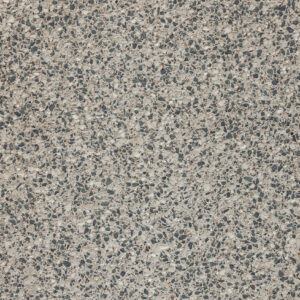
Sandblast
This process uses a blasting material, most commonly sand, to abrade away the surface layer of concrete. The abrasive blasting technique effectively wears down the outermost layer as the abrasive particles impact the surface, creating a uniformly roughened texture and lightening its color. This effect is often called “frosting.”

Exposed Aggregate
This technique involves applying a chemical surface retarder to the casting forms before pouring the concrete. The chemical retarder slows the concrete’s setting process, allowing it to be removed—the next day, typically by water blasting. As a result, the aggregate is exposed while its natural beauty and texture are preserved.
APC’s experienced designers offer expert design guidance to help you navigate the boundless possibilities of precast concrete designs while keeping your budget on track.
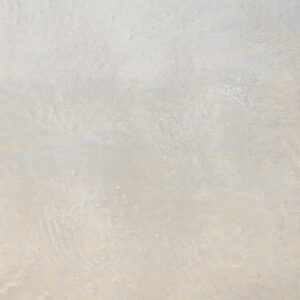
Form Finish
This technique requires no further finishing processes after the initial forming stage. Once the concrete is poured and allowed to set within its formwork, the surface is left exactly as it appears upon removal from the form. The resulting surface showcases the natural characteristics and texture imparted by the form, which often can be a smooth, sleek finish.
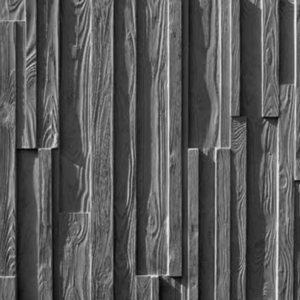
Form Liners
Embracing textured creativity, this technique employs rubber or plastic liners within the casting form to craft a unique surface for the panel. These liners artfully mimic diverse textures and designs, offering versatility and consistency across multiple uses during production.
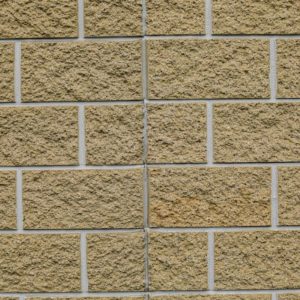
Natural Stone Veneer
This technique creates a natural stone cladding, or veneer finish by embedding pieces of natural stone, like limestone, granite, or marble, into a mold and casting concrete behind them. The outcome is a robust precast panel that authentically replicates the look of stone, ideally suited for constructing buildings with an authentic stone facade.
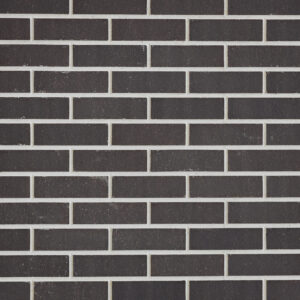
Thin Brick
Precast construction seamlessly incorporates traditional materials like brick, tile, and terra cotta into wall panel designs by embedding or casting them during production, ensuring both structural integrity and aesthetic continuity.
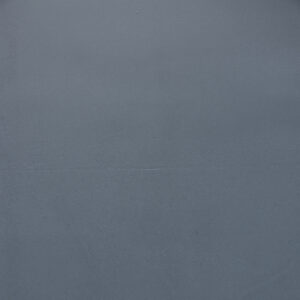
Paint / Stain
Using precast concrete enables flexible exterior and interior finishes. You can paint or stain the smooth, power-troweled panels, offering endless color options. However, regular maintenance is necessary to preserve the appearance and durability of this finishing method.
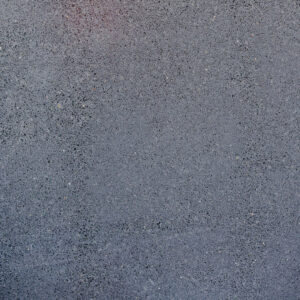
Polished
Diamond grinding wheels refine and polish the concrete surface, exposing aggregate and creating a smooth, polished finish similar to polished granite.